Text size
DefenseNewsGlobal Security.
Strategic Insight.
Breaking News

India Accelerates Indigenous Military Technology Push as Paras Defence Wins ₹80.28 Crore DRDO Development Contract

DefenseNews: Paras Defence secures ₹80.28 crore DRDO order as India accelerates military technology advancements and defense strategy 2026 under the Atmanirbhar Bharat initiative.

Paras Defence engineers working on indigenous defense technology systems for DRDO under India military modernization program

India’s defense industrial base continues to deepen as the government accelerates its strategic push toward indigenous military capability. The latest development comes with Paras Defence & Space Technologies securing a ₹80.28 crore development order from the Defence Research and Development Organisation (DRDO), a contract that highlights New Delhi’s growing reliance on private industry to support next-generation defense technologies. The order reflects a broader shift within India’s defense ecosystem, where the integration of private firms, research laboratories, and armed forces requirements is increasingly central to the country’s long-term security architecture. Within the context of the latest India defense news, the agreement offers insight into how India’s defense strategy 2026 is evolving toward technological autonomy, operational resilience, and a stronger domestic military-industrial complex.

For decades, India’s defense procurement model relied heavily on imports and state-owned enterprises. While organizations such as Hindustan Aeronautics Limited, Bharat Electronics Limited, and Mazagon Dock Shipbuilders formed the backbone of domestic defense manufacturing, the private sector played only a limited role. This began to change gradually after the government introduced major reforms under the Atmanirbhar Bharat initiative, aimed at reducing reliance on foreign arms suppliers while expanding domestic innovation. The DRDO contract awarded to Paras Defence demonstrates the practical implementation of these reforms, as the government increasingly distributes development work to specialized technology firms capable of delivering niche capabilities.

Paras Defence & Space Technologies has steadily emerged as one of India’s most technologically focused defense companies. Founded with an emphasis on optics, space technologies, defense electronics, and precision engineering, the company operates across several critical military domains. Its expertise includes electro-optical systems, night vision equipment, imaging sensors, and advanced defense components that support surveillance, targeting, and reconnaissance operations. These technologies are essential for modern network-centric warfare, where battlefield awareness and precision engagement depend heavily on advanced sensor integration.

The ₹80.28 crore development order from DRDO is expected to contribute to emerging military technologies that strengthen India’s operational capabilities across multiple branches of the armed forces. Although specific technical details of the project remain limited due to security considerations, such development programs typically involve sophisticated optical payloads, sensor systems, or specialized electronic subsystems used in missiles, drones, armored vehicles, or airborne platforms. In modern warfare, the effectiveness of military platforms increasingly depends on sensor accuracy and data integration rather than purely kinetic firepower. Consequently, investments in advanced optics and electronic warfare components are becoming a cornerstone of military modernization worldwide.

India’s Army updates over the past several years have highlighted the growing demand for advanced surveillance and targeting systems, particularly along sensitive border regions. The Line of Actual Control with China and the Line of Control with Pakistan remain areas where persistent surveillance and rapid threat detection are essential. Optical and electro-optical technologies developed through partnerships between DRDO and private firms like Paras Defence enable Indian forces to maintain continuous monitoring of difficult terrain and hostile activity. Thermal imaging, long-range observation systems, and laser targeting devices allow ground units to operate effectively in both mountainous and desert environments.

These technologies also play a vital role in India’s expanding drone ecosystem. The Indian military has significantly increased its use of unmanned aerial systems in recent years, both for reconnaissance and combat missions. Modern drones require high-resolution imaging sensors, stabilized optical payloads, and integrated tracking systems to perform effectively. Indigenous development of such components ensures that India retains full control over critical technologies while reducing vulnerabilities associated with foreign supply chains.

Within the context of India’s broader military technology advancements, the collaboration between DRDO and Paras Defence reflects a deliberate policy direction. Rather than purchasing complete systems from international vendors, the government is prioritizing domestic design and development wherever possible. This strategy not only strengthens national security but also supports the emergence of a competitive defense industry capable of exporting advanced technologies. Over the past five years, India has significantly expanded its defense export portfolio, with countries in Southeast Asia, Africa, and the Middle East increasingly purchasing Indian-made equipment.

The Indian Navy developments in particular illustrate the growing importance of indigenous technologies. Modern naval platforms rely extensively on sensor integration for maritime surveillance, anti-submarine warfare, and missile targeting. Electro-optical systems are often mounted on naval vessels to track surface threats, guide weapons, and support night operations. By investing in domestic companies capable of producing these systems, India reduces reliance on foreign suppliers and ensures long-term sustainment capability for its fleet.

At the same time, India’s Air Force modernization efforts are also heavily dependent on advanced sensor technology. Fighter aircraft, surveillance drones, and missile defense systems all require precision optics and targeting components. The Indian Air Force’s operational doctrine increasingly emphasizes network-centric warfare, where aircraft, satellites, drones, and ground systems share real-time data across a secure digital network. High-quality imaging and detection systems developed under DRDO programs form the backbone of this integrated architecture.

India’s defense strategy 2026 emphasizes the concept of self-reliance combined with technological competitiveness. The government has identified over 400 defense items that must eventually be produced domestically rather than imported. These include sensors, communication equipment, missile subsystems, and electronic warfare technologies. Contracts such as the one awarded to Paras Defence represent tangible progress toward achieving these objectives.

Paras Defence engineers working on indigenous defense technology systems for DRDO under India military modernization program

From an industrial perspective, the contract also highlights the growing role of private sector participation in India’s defense economy. Traditionally dominated by public sector units, the industry is now witnessing increased involvement from specialized technology companies capable of rapid innovation. The government has introduced several policy mechanisms to encourage this shift, including defense production corridors, simplified procurement processes, and financial incentives for research and development.

The integration of private companies into the defense supply chain offers several advantages. Private firms often possess greater flexibility, faster development cycles, and the ability to adopt cutting-edge technologies from commercial sectors such as artificial intelligence, advanced materials, and space engineering. These capabilities are particularly important in areas like electro-optics and sensor technology, where rapid technological evolution requires constant innovation.

The contract with Paras Defence also reflects DRDO’s evolving approach to research collaboration. Rather than developing every component internally, the organization increasingly works with industry partners to accelerate technological development. This model mirrors defense innovation ecosystems seen in countries such as the United States and Israel, where close cooperation between government laboratories, private companies, and military users drives technological breakthroughs.

Financially, the ₹80.28 crore order represents a relatively modest contract compared to large defense procurement programs, but its strategic importance should not be underestimated. Development projects often serve as stepping stones toward larger production contracts once technologies reach maturity. If the system under development proves successful, it could lead to larger orders for integration into military platforms across the Army, Navy, and Air Force.

India’s broader defense spending trajectory also provides context for this development. The country’s defense budget for 2026 continues to prioritize modernization and domestic production. According to official figures, a growing share of procurement funds is now reserved specifically for equipment designed and manufactured in India. This policy ensures sustained demand for domestic defense companies while gradually reducing dependence on foreign imports.

Geopolitically, India’s emphasis on indigenous technology development reflects the increasingly complex security environment in the Indo-Pacific region. Rising tensions with China, evolving maritime challenges, and the rapid pace of military modernization across Asia have reinforced the need for technological self-sufficiency. Countries that rely heavily on imported defense systems risk supply disruptions during crises, making domestic production capability a critical component of national security.

At the same time, India must balance its self-reliance goals with the realities of global defense partnerships. The country continues to collaborate with international partners on major defense programs, including fighter aircraft development, submarine construction, and missile technology. However, these partnerships increasingly emphasize technology transfer and local manufacturing rather than simple equipment purchases.

Within this strategic framework, the Paras Defence contract represents more than just a single development project. It symbolizes the gradual transformation of India’s defense ecosystem into a more diversified, technologically sophisticated network of public and private actors. As domestic companies expand their capabilities, they become key contributors to the country’s long-term military strength.

Looking ahead, the trajectory of India’s military technology advancements will likely depend on sustained investment in research and development, as well as continued policy support for private sector innovation. Emerging fields such as artificial intelligence, quantum sensing, hypersonic propulsion, and directed energy weapons are expected to play a major role in future defense capabilities. India has already initiated several research programs in these areas, many of which involve collaboration between DRDO, universities, and private industry.

The success of such initiatives will determine how effectively India can maintain strategic autonomy while keeping pace with global military technological trends. The latest India defense news surrounding the Paras Defence contract illustrates that the country is steadily building the institutional and industrial foundations required to achieve these ambitions. By strengthening partnerships between research institutions and domestic manufacturers, India is gradually constructing a defense innovation ecosystem capable of supporting the evolving needs of its armed forces.

As the Indian Army continues expanding surveillance capabilities, the Navy integrates advanced maritime sensors, and the Air Force enhances precision targeting systems, technologies developed through projects like the DRDO–Paras collaboration will play a vital role in shaping operational effectiveness. These investments not only improve battlefield capabilities but also reinforce the strategic objective of technological sovereignty that sits at the core of India’s long-term defense planning.

The broader significance of this development lies in the signal it sends about the direction of India’s military modernization. Rather than relying primarily on foreign suppliers, New Delhi is increasingly betting on domestic innovation to secure its future military advantage. If sustained over the coming decade, this approach could transform India into one of the world’s most dynamic defense technology producers, strengthening both national security and the country’s position within the global defense industry.

India’s Agni MIRV Breakthrough Signals a New Era in Strategic Deterrence

Indian Agni ballistic missile equipped with MIRV technology during strategic weapons test launch

Indian Agni ballistic missile equipped with MIRV technology during strategic weapons test launch

India’s successful test of an advanced Agni ballistic missile equipped with Multiple Independently Targetable Re-entry Vehicle technology marks one of the most consequential milestones in the country’s strategic weapons program in recent years. The test, conducted under the Strategic Forces Command and supported by the Defence Research and Development Organisation, represents far more than another missile trial. It signals India’s transition toward a far more sophisticated and survivable nuclear deterrent architecture at a time when Asia’s strategic balance is undergoing rapid transformation.

The successful integration of MIRV capability into the Agni missile family substantially alters the operational logic of India’s nuclear posture. Traditionally, a ballistic missile carried a single nuclear warhead aimed at one target. MIRV technology fundamentally changes that equation by enabling a single missile to carry multiple warheads capable of independently striking different targets over large geographic distances. In practical military terms, this dramatically increases strike efficiency, complicates enemy missile defense systems, and strengthens second-strike survivability.

For India, this development comes amid an increasingly contested regional security environment shaped by China’s rapid nuclear expansion and Pakistan’s continued tactical nuclear modernization. Beijing has spent the last several years accelerating deployment of silo-based intercontinental ballistic missiles, hypersonic glide vehicles, dual-capable missile systems, and advanced anti-access military infrastructure across the Indo-Pacific. According to various strategic assessments, China is projected to significantly expand its operational nuclear warhead inventory before the end of this decade, forcing regional powers to reassess deterrence stability.

Pakistan, meanwhile, continues to prioritize battlefield nuclear systems, cruise missile capabilities, and mobile delivery platforms designed specifically to counter India’s conventional military superiority. Islamabad’s strategic planners have increasingly focused on lowering nuclear thresholds through tactical deterrence doctrines, especially after repeated military crises between the two countries over the past decade. Against this backdrop, India’s MIRV breakthrough is not merely technological progress; it is part of a broader recalibration of strategic deterrence credibility.

The Agni missile family has long formed the backbone of India’s land-based nuclear deterrent. Over the years, variants including Agni-I, Agni-II, Agni-III, Agni-IV, and Agni-V have progressively extended India’s strike range, operational flexibility, and targeting precision. The latest MIRV-capable iteration represents the culmination of decades of indigenous missile engineering and strategic planning under India’s long-term nuclear doctrine.

One of the most significant operational advantages offered by MIRV capability is its ability to overwhelm missile defense systems. Modern ballistic missile defense architectures rely on intercepting incoming warheads during various phases of flight. However, when a single missile releases multiple independently maneuverable warheads alongside decoys and penetration aids, interception becomes exponentially more difficult. Even advanced missile shields face substantial saturation challenges under such scenarios.

This aspect carries direct implications for India’s evolving deterrence relationship with China. Beijing has invested heavily in integrated air and missile defense systems, including the HQ-series interceptors and increasingly sophisticated early warning networks. India’s MIRV capability introduces additional uncertainty into Chinese strategic calculations by improving the probability that at least some warheads could penetrate defensive layers during a retaliatory strike scenario. Strategic deterrence, after all, relies not only on possession of nuclear weapons but on the assured ability to deliver them under adverse conditions.

Equally important is the psychological dimension of deterrence signaling. Strategic weapons tests are designed not only to validate technology but also to communicate capability and intent. India’s successful MIRV demonstration sends a clear message that its strategic modernization programs are progressing despite technological sanctions, regional competition, and growing military complexity in the Indo-Pacific. The test also reinforces India’s image as a technologically capable nuclear power pursuing indigenous defense innovation rather than dependence on external suppliers.

This development aligns closely with India’s broader defense strategy 2026 framework, which increasingly emphasizes self-reliance, advanced military technology advancements, and integrated multi-domain warfare capabilities. In recent years, New Delhi has accelerated investment across strategic sectors including missile systems, cyber warfare, artificial intelligence, space-based surveillance, electronic warfare, drone combat systems, and next-generation air defense networks. The Agni MIRV program fits squarely within this modernization trajectory.

India’s defense-industrial ecosystem has also matured considerably over the past decade. Organizations such as DRDO, Bharat Dynamics Limited, Bharat Electronics Limited, and various private-sector aerospace firms are now playing increasingly prominent roles in indigenous weapons development. The MIRV breakthrough highlights the growing sophistication of India’s domestic missile engineering ecosystem, particularly in propulsion systems, guidance technology, miniaturized warhead integration, and re-entry vehicle design.

The technological complexity behind MIRV systems should not be underestimated. Successfully deploying independently targetable warheads requires highly advanced navigation, precision guidance, thermal shielding, and post-boost vehicle maneuvering capabilities. Miniaturization of warheads itself represents a major scientific challenge because each re-entry vehicle must remain compact enough to fit multiple payloads within a single missile bus while retaining credible destructive capability. Achieving reliable deployment sequencing and target discrimination further adds to system complexity.

India’s progress in these areas reflects sustained long-term investment in strategic weapons research despite decades of technology restrictions imposed after its 1998 nuclear tests. The country’s missile development programs historically evolved under conditions of limited access to foreign dual-use technologies, forcing indigenous innovation in propulsion, materials science, and guidance systems. The MIRV-capable Agni test therefore carries symbolic significance as evidence of technological resilience as much as strategic capability.

Indian Agni ballistic missile equipped with MIRV technology during strategic weapons test launch

The implications for the Indian Air Force and broader strategic command structure are equally significant. Although ballistic missiles fall primarily under the Strategic Forces Command, their operational integration increasingly intersects with India Air Force modernization efforts involving airborne early warning systems, integrated command networks, satellite reconnaissance, and layered missile defense architecture. Modern nuclear deterrence is no longer platform-centric; it depends on a highly networked ecosystem combining surveillance, communication, targeting, mobility, and survivability.

India has steadily expanded this ecosystem through investments in ISR capabilities, including military satellites, long-range radar systems, and secure communication infrastructure. Integration between land-based missiles, air-delivered nuclear assets, and sea-based deterrent platforms forms the core of India’s nuclear triad. The survivability of this triad is central to maintaining credible minimum deterrence under India’s declared no-first-use doctrine.

The naval dimension deserves particular attention. India’s Arihant-class ballistic missile submarines represent the sea-based leg of its deterrent strategy, providing second-strike survivability through concealed underwater deployment. While submarine-launched ballistic missiles remain essential for strategic stability, land-based MIRV systems enhance deterrence redundancy and create additional operational dilemmas for adversaries attempting preemptive targeting. Diversified delivery systems increase uncertainty, and uncertainty itself strengthens deterrence.

From a geopolitical perspective, the timing of the test is especially important. The Indo-Pacific is entering a period of intensified strategic competition characterized by military modernization, maritime disputes, alliance restructuring, and accelerated nuclear signaling. China’s expanding presence in the Indian Ocean Region, growing military cooperation between Beijing and Islamabad, and increased militarization along disputed Himalayan borders have collectively pushed India toward faster strategic modernization.

India’s security establishment increasingly views future conflicts as multi-domain confrontations involving cyber attacks, space disruption, electronic warfare, precision strikes, and information operations alongside conventional combat. In such an environment, strategic survivability becomes critical. MIRV-equipped missiles improve India’s ability to maintain credible deterrence even against technologically advanced adversaries possessing missile defense systems and counterforce capabilities.

The economic dimension also matters. Developing advanced strategic systems domestically allows India to reduce dependence on foreign suppliers while strengthening its indigenous defense manufacturing base. India’s defense budget has continued rising steadily, with modernization increasingly focused on indigenous procurement under the Atmanirbhar Bharat initiative. Strategic missile systems represent one of the few sectors where India has achieved near-complete technological sovereignty.

This sovereignty carries long-term strategic value because advanced missile technology is among the most tightly controlled domains in international security politics. Indigenous capability reduces vulnerability to sanctions, export controls, or geopolitical disruptions affecting foreign procurement chains. It also strengthens India’s position as an emerging defense exporter capable of leveraging technological expertise across broader military-industrial sectors.

International reactions to the test are likely to remain measured but closely monitored. The United States has generally supported India’s rise as a strategic counterweight within the Indo-Pacific balance, although Washington also remains sensitive to regional arms competition. Russia continues to maintain strong defense ties with India despite shifting geopolitical alignments, while European powers increasingly view India as an important security partner in the broader Indo-Pacific framework.

China, however, will almost certainly interpret the MIRV test through the lens of long-term strategic competition. Beijing has consistently opposed developments that strengthen regional balancing coalitions or complicate its military planning. Although India’s nuclear doctrine remains officially defensive, Chinese analysts are likely to assess the operational implications of enhanced Indian second-strike capabilities very carefully.

Pakistan’s strategic community will also watch closely. Islamabad has historically responded to Indian strategic advances by accelerating its own missile and nuclear programs. This dynamic risks further intensifying the regional deterrence competition, particularly if both sides continue investing in advanced delivery systems, missile defenses, and tactical nuclear capabilities. However, India’s leadership appears increasingly convinced that strategic restraint alone cannot guarantee stability in an environment of rapidly evolving threats.

Another important factor is the growing relevance of missile technology in modern conventional warfare. Recent global conflicts have demonstrated how precision strike systems, long-range missiles, and integrated air defense networks increasingly shape battlefield outcomes. Strategic missile development therefore has spillover effects beyond nuclear deterrence by advancing broader expertise in guidance systems, propulsion technologies, and command-and-control integration applicable across conventional military domains.

India’s military technology advancements are gradually reshaping the country’s broader defense posture from a traditionally manpower-intensive force toward a more technology-driven combat architecture. Artificial intelligence-enabled surveillance, autonomous systems, precision-guided munitions, electronic warfare suites, and hypersonic research programs are all part of this transition. The MIRV breakthrough reinforces the perception that India’s strategic modernization is accelerating across multiple layers simultaneously.

Perhaps the most important takeaway from the Agni MIRV test is that India is entering a new phase of strategic maturity. For decades, Indian nuclear policy emphasized restraint, minimum deterrence, and gradual capability development. While those principles officially remain intact, the operational sophistication of India’s deterrent architecture is clearly expanding in response to evolving regional realities.

The successful test demonstrates that India is no longer focused solely on possessing nuclear capability but on ensuring credible survivability, penetration capability, and long-term deterrence stability against technologically advanced adversaries. In the broader context of latest India defense news, the MIRV-capable Agni missile represents more than a weapons milestone. It reflects the emergence of a more confident, technologically capable, and strategically assertive India preparing for an increasingly uncertain security environment across Asia and the Indo-Pacific.

Rafale Faces Global Scrutiny as France Pushes Back Against Combat Loss Claims

A high-stakes battle over modern airpower credibility

France is defending the Rafale fighter’s global reputation after disputed combat-loss narratives linked to India-Pakistan tensions triggered worldwide debate over modern air combat effectiveness, missile technology, and future fighter procurement decisions.

French Air Force Rafale fighter jet during advanced combat operations exercise

The Rafale fighter jet has become the center of an unusually intense global defense debate after renewed claims surrounding alleged aircraft losses during India-Pakistan aerial tensions pushed France’s flagship combat aircraft into the geopolitical spotlight. Dassault Aviation, the manufacturer of the Rafale, has firmly rejected allegations questioning the fighter’s survivability and operational effectiveness, while French defense officials have moved aggressively to contain reputational damage that could influence billions of dollars in future fighter exports. What initially emerged as fragmented wartime narratives circulating across regional media and strategic circles has rapidly evolved into a wider contest over military credibility, aerospace influence, and the future balance of combat aviation in the Indo-Pacific and beyond.

The controversy demonstrates how modern warfare is no longer fought solely in the skies or on battlefields. It is increasingly contested through information warfare, perception management, strategic messaging, and defense-industrial influence. For France, the Rafale is not merely a combat aircraft. It is a pillar of French strategic autonomy, a cornerstone of the country’s defense exports, and one of Europe’s most successful military aerospace programs. Any suggestion that the aircraft underperformed in a real combat scenario carries implications far beyond South Asia. It affects export negotiations, alliance confidence, military procurement debates, and the broader competition between Western and Chinese defense technologies.

The Rafale occupies a unique position in global military aviation. Developed by Dassault Aviation, the aircraft was designed as a multirole platform capable of conducting air superiority missions, deep strike operations, reconnaissance, nuclear deterrence tasks, and naval combat operations. Unlike several Western aircraft programs dependent on multinational production structures, the Rafale symbolizes France’s independent military-industrial capability. Paris has aggressively marketed the fighter as a combat-proven alternative to American platforms such as the F-35 and F-15EX, while also competing against Russian Su-35 variants and emerging Chinese export fighters.

India’s acquisition of 36 Rafale fighters represented one of the largest strategic victories for the French defense industry in recent decades. The deal significantly enhanced India’s long-range strike and air dominance capabilities against both Pakistan and China. Armed with Meteor beyond-visual-range missiles, SCALP cruise missiles, advanced electronic warfare systems, and AESA radar technology, the Indian Air Force viewed the Rafale as a transformational platform capable of reshaping regional airpower equations. French officials repeatedly emphasized the aircraft’s performance advantages in network-centric warfare environments, particularly in contested electronic battlespaces.

However, the latest India-Pakistan aerial confrontation dramatically intensified scrutiny surrounding the fighter. Pakistani narratives, amplified across regional information channels and supported indirectly by pro-Chinese defense commentators, claimed that Chinese-origin systems used by Pakistan demonstrated tactical advantages during high-tension aerial engagements. Particular attention focused on the role of the J-10C fighter and the PL-15 long-range air-to-air missile, systems increasingly promoted by Beijing as evidence of China’s growing aerospace maturity. Although no independently verified evidence confirmed Rafale combat losses, the mere existence of such narratives rapidly triggered strategic concern in Paris.

France’s response has been unusually forceful. Dassault Aviation executives publicly dismissed the allegations as unverified and misleading, stressing that no official confirmation supported claims of Rafale destruction or operational failure. French defense analysts also highlighted the dangerous tendency of modern information warfare campaigns to manipulate incomplete battlefield information for geopolitical and commercial advantage. Paris understands that perception can shape procurement outcomes as powerfully as actual battlefield performance. In the global fighter export market, reputation remains a decisive strategic asset.

The stakes are extraordinarily high because the international combat aircraft market is entering one of its most competitive periods in decades. Nations across Asia, the Middle East, Eastern Europe, and Latin America are accelerating fighter modernization programs amid rising geopolitical instability. Governments evaluating multi-billion-dollar procurement decisions increasingly study real-world combat narratives to judge aircraft survivability, electronic warfare effectiveness, sensor fusion capabilities, and missile integration performance. Even unverified operational claims can influence political perceptions and parliamentary debates surrounding defense acquisitions.

This controversy also reveals the growing strategic confidence of China’s defense industry. Beijing has spent years attempting to challenge Western aerospace dominance through platforms like the J-10C, J-20 stealth fighter, and advanced missile systems such as the PL-15. Chinese defense exports traditionally struggled to gain elite international credibility compared to Western or Russian systems. However, any perception that Chinese aircraft performed effectively against advanced Western-designed fighters dramatically strengthens Beijing’s export narrative. The strategic consequences extend beyond Pakistan. Countries evaluating fighter acquisitions may increasingly compare Chinese systems against European alternatives in ways that would have been unlikely a decade ago.

At the same time, military experts caution against simplistic interpretations of modern air combat. Fighter engagements are influenced by an enormous range of operational variables including pilot training, rules of engagement, airborne early warning support, electronic warfare conditions, command-and-control integration, terrain, tactical doctrine, and missile employment envelopes. A single engagement rarely determines the superiority of an aircraft platform. Western defense planners frequently emphasize that network integration and battlespace awareness often matter more than raw aircraft performance alone.

For India, the debate creates both operational and political complications. The Indian Air Force has invested heavily in presenting the Rafale as a central pillar of its future force structure amid growing Chinese military pressure along the Himalayan frontier and across the Indo-Pacific. India’s broader airpower modernization plans include integration between Rafale fighters, Su-30MKI aircraft, indigenous Tejas platforms, S-400 air defense systems, and expanding drone capabilities. Questions surrounding the Rafale’s combat narrative therefore intersect with broader debates regarding India’s long-term military readiness and procurement strategy.

French Air Force Rafale fighter jet during advanced combat operations exercise

The controversy also highlights how missile technology is redefining modern aerial warfare. Increasingly, air superiority depends less on close-range maneuverability and more on detection range, electronic warfare resilience, data-link integration, and beyond-visual-range missile effectiveness. The Meteor missile integrated into the Rafale remains one of the world’s most respected long-range air combat weapons, but China’s PL-15 has emerged as a serious competitor. Western intelligence agencies have repeatedly expressed concern about Chinese advances in missile propulsion, seeker technology, and engagement ranges. The South Asian debate has therefore become partially symbolic of a broader technological competition shaping future air combat doctrines worldwide.

France’s determination to defend the Rafale’s reputation is also connected to Europe’s wider strategic ambitions. European governments increasingly seek greater defense autonomy amid uncertainty surrounding long-term American commitments to NATO and European security. The Rafale represents one of the few fully European high-end combat aviation success stories currently operating at global scale. Damage to the platform’s reputation could weaken Europe’s broader ambition to maintain an independent aerospace and defense-industrial base capable of competing with both American and Chinese systems.

Meanwhile, global fighter competition is accelerating rapidly. The American F-35 continues dominating NATO procurement pipelines due to its stealth characteristics and alliance interoperability advantages. China is aggressively expanding aerospace exports throughout Asia, Africa, and the Middle East. Russia’s defense export sector faces mounting pressure from sanctions and operational setbacks in Ukraine, yet Moscow continues marketing advanced aircraft to traditional partners. France therefore sees the Rafale not only as a national asset but as a strategic instrument in maintaining influence across emerging multipolar security environments.

Another important dimension is the rise of strategic information warfare in defense markets. Modern military competition increasingly involves shaping narratives before verified battlefield data fully emerges. Social media ecosystems, defense influencers, anonymous intelligence leaks, and state-backed information campaigns now play major roles in shaping global perceptions. Aerospace companies and governments must respond rapidly to protect reputational credibility. The Rafale controversy demonstrates how future arms competition may be influenced as much by digital narratives and perception management as by actual combat outcomes.

Despite the controversy, the Rafale retains significant strengths that continue attracting international interest. The aircraft has demonstrated operational flexibility in Afghanistan, Libya, Iraq, Syria, and the Sahel. Its combat record, multirole adaptability, maintenance efficiency, and electronic warfare systems remain highly respected among military planners. France has also continuously upgraded the aircraft through F3R and future F4 standards, integrating improved sensors, networking capabilities, and advanced weapons compatibility. Several countries continue exploring Rafale acquisitions as part of long-term modernization strategies aimed at balancing affordability with advanced operational capability.

The situation nevertheless underscores an uncomfortable reality for modern defense exporters: every conflict now becomes a live global marketing environment. Real-world combat performance, or even perceptions of performance, can reshape international procurement markets overnight. The strategic competition surrounding the Rafale is therefore not merely about one aircraft or one regional confrontation. It reflects the broader transformation of global military competition in an era defined by rapid technological change, geopolitical fragmentation, and relentless information warfare.

As France continues defending the Rafale’s operational credibility, the episode may ultimately strengthen international focus on pilot training, integrated air defense networks, missile warfare, and battlespace management rather than simplistic platform comparisons. Future conflicts are likely to reward militaries capable of integrating aircraft, drones, electronic warfare systems, satellites, cyber capabilities, and real-time intelligence into unified operational networks. In that environment, even highly advanced fighters cannot operate as isolated platforms.

The Rafale debate is unlikely to disappear soon because it touches multiple strategic fault lines simultaneously: India-China rivalry, Western versus Chinese defense technology competition, aerospace export markets, Indo-Pacific security architecture, and evolving air combat doctrine. France’s response indicates that Paris recognizes the issue as far more than a temporary media controversy. It is a strategic contest over credibility, influence, and the future perception of European military technology in an increasingly polarized defense landscape.

The coming years will likely determine whether the Rafale controversy fades into the background of information warfare or becomes a defining moment in global fighter competition. What remains clear is that modern airpower is now judged not only by radar signatures, missile ranges, or maneuverability, but by how effectively nations control the strategic narrative surrounding combat performance. France’s vigorous defense of the Rafale reflects a recognition that in twenty-first-century military competition, perception itself has become a battlefield.

Turkey's Drone Milestone: Successful Aircraft Carrier Takeoff and Landing Marks Historic Feat for Bayraktar Kızılelma Strike UAV

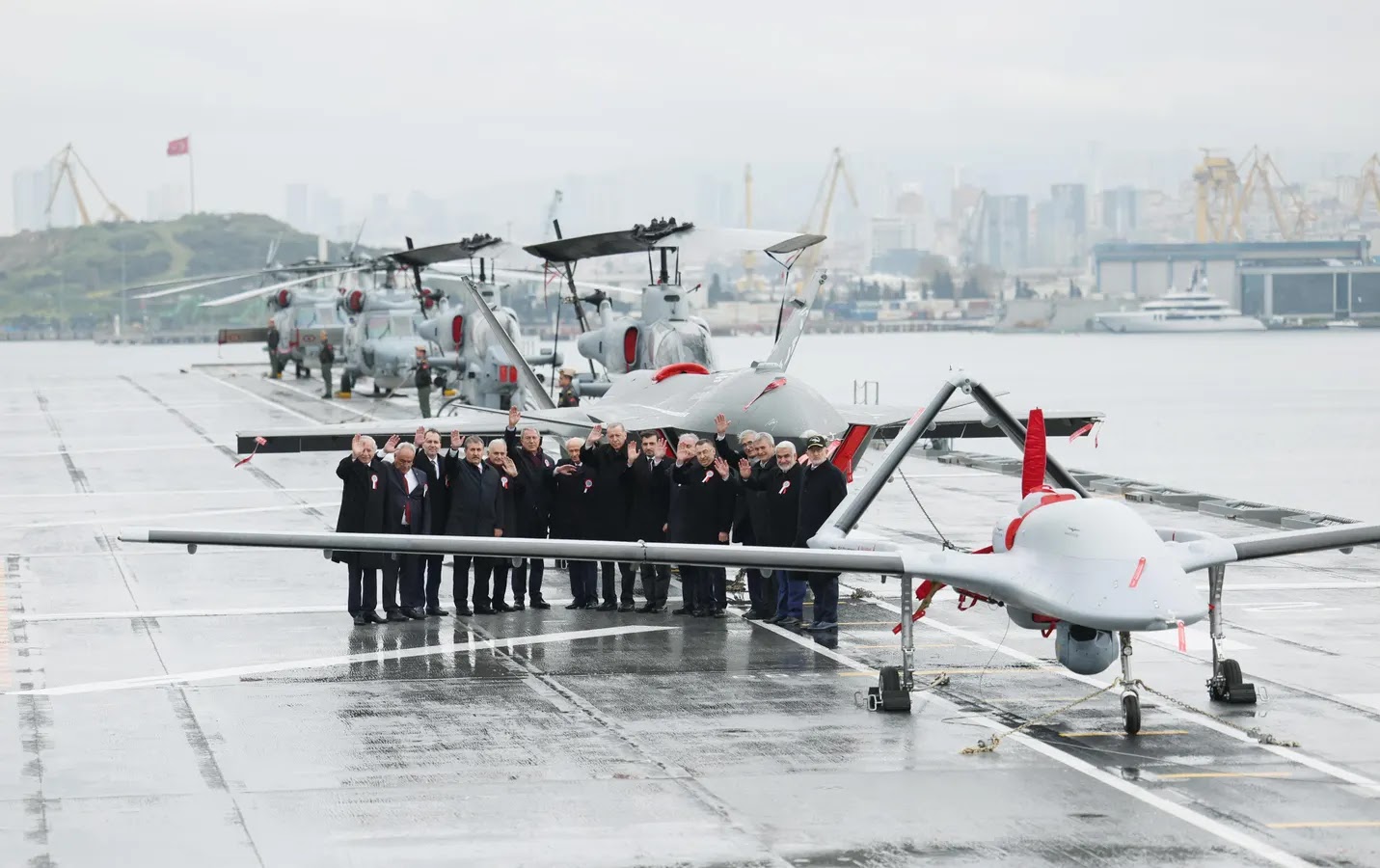
DefenseNews: Turkey has achieved a significant milestone in its defense technology with the Bayraktar Kızılelma, an advanced unmanned combat aerial vehicle (UCAV), successfully completing its first takeoff and landing on the TCG Anadolu, the country's largest warship. This groundbreaking achievement signifies Turkey's commitment to integrating cutting-edge drone capabilities into its naval operations, further enhancing its strategic autonomy in military aviation.

Drones, Technology, Defense, Innovation, Carrier, UAVs, Turkey Navy, Bayraktar, Combat

A Game-Changing Development

The Bayraktar Kızılelma's successful carrier-based operations are a testament to the rapid advancements in Turkey’s indigenous drone technology. Manufactured by Baykar, a leader in UAV production, the Kızılelma marks a new era of combat-ready drones capable of operating from short-runway ships, a feat previously dominated by manned aircraft.

The TCG Anadolu, initially designed to support short takeoff and vertical landing (STOVL) aircraft like the F-35B, was repurposed to serve as a drone carrier after Turkey's exclusion from the F-35 program. This adaptation enables the vessel to deploy various UAVs for missions ranging from reconnaissance to precision strikes, offering unparalleled versatility in naval warfare.

The Technical Feats of Kızılelma

The Bayraktar Kızılelma is designed for carrier-based operations with a focus on maneuverability, endurance, and advanced combat capabilities. Key features include:

  • Short-Runway Compatibility: Its design allows for seamless operations on ships like the TCG Anadolu, which lack the catapult systems typically required for fixed-wing aircraft.
  • High Payload Capacity: The UAV can carry advanced munitions, making it suitable for diverse mission profiles, including close air support and air-to-ground strikes.
  • Stealth and Autonomy: Equipped with low observability features and AI-driven systems, the Kızılelma is built to operate in contested environments.

The drone is powered by an advanced turbofan engine, offering extended flight endurance and operational altitude, further solidifying its role in Turkey's strategic defense arsenal.

Drones, Technology, Defense, Innovation, Carrier, UAVs, Turkey Navy, Bayraktar, Combat
Implications for Naval Power

This innovation transforms the TCG Anadolu into a versatile drone carrier capable of hosting multiple UAVs, including the Kızılelma and the Bayraktar TB3. By deploying drones from naval platforms, Turkey significantly expands its operational reach, particularly in contested maritime zones like the Mediterranean and the Black Sea.

The integration of UAVs offers several advantages:

  1. Cost Efficiency: Compared to traditional manned aircraft, drones like the Kızılelma are more economical, reducing both operational costs and risks to human pilots.
  2. Mission Flexibility: With capabilities ranging from intelligence gathering to targeted strikes, these drones provide tactical superiority in diverse scenarios.
  3. Enhanced Surveillance: Equipped with state-of-the-art sensors, UAVs offer real-time intelligence, ensuring rapid decision-making in dynamic combat situations.

Challenges and Future Prospects

While the Kızılelma’s maiden carrier operation is a landmark achievement, challenges remain. The development of robust command-and-control systems to manage simultaneous drone operations is critical. Additionally, further advancements in drone swarm technology and AI integration will be pivotal in maintaining Turkey's edge in UAV technology.

Baykar’s continued innovation is evident in its plans to develop larger, more capable drones, such as the Bayraktar TB3, which will complement the Kızılelma in carrier-based missions. These developments underline Turkey’s ambition to become a global leader in unmanned aerial combat systems.

Strategic Impact on Global Defense

Turkey’s success with the Bayraktar Kızılelma signals a broader shift in military aviation, where drones are increasingly replacing manned platforms. This achievement positions Turkey alongside nations like the United States and China, which are also advancing carrier-based UAV programs.

As geopolitical tensions rise, particularly in regions like the Eastern Mediterranean, the ability to project power through drones offers a significant strategic advantage. The Kızılelma's deployment showcases Turkey’s resolve to safeguard its interests while contributing to NATO’s collective defense capabilities.

Conclusion

The Bayraktar Kızılelma’s first carrier-based operation marks a historic milestone for Turkey, reflecting its growing expertise in defense innovation. This achievement not only enhances Turkey's naval capabilities but also sets a benchmark for the future of UAV technology in modern warfare. With continuous advancements, Turkey is poised to shape the next generation of unmanned combat systems, cementing its role as a global defense leader.

Israel’s defense industry unveils new weapons at Paris defense confab

JERUSALEM — Israel’s Ministry of Defense International Defense Cooperation Directorate, or SIBAT, is expected to helm a strong showing of the country’s defense industry at the Eurosatory defense exhibition beginning on June 13 in Paris, inaugurating an Israeli pavilion featuring 56 local companies.

Mr. Haim Cohen, Official of @Isreal_MOD, Mrs. Shahar Rachela Horev and Mrs. Amira Ilany from SIBAT and the Defence Attaché of Israel Colonel IDF Yosef Pinto
Amira Ilany, director for Europe and North America at SIBAT, said that “Europe is one of the most important markets that we have.” She said Israel is seeing interest in its “cutting-edge technologies” all over the world. Israel has three large defense companies: Rafael Advanced Defense Systems, Israel Aerospace Industries and Elbit Systems.

SIBAT officials are expected to help promote the country’s small and medium enterprises, in particular. The government views these smaller companies “as an important part of the ministry’s value system. We deem it of the highest importance to strengthen these innovative industries, and many of them will be participating in the upcoming Eurosatory exhibition,” said Ilany.

KF-21 Boramae Enters Combat Service as South Korea Pushes Into Elite Fighter Jet League

Seoul’s indigenous fighter program reaches a historic operational milestone

South Korea’s KF-21 Boramae achieving operational combat clearance marks a transformative moment for Seoul’s defense strategy and aerospace ambitions.

South Korean KF-21 Boramae stealth fighter flying during operational combat deployment trials

The milestone strengthens South Korea’s Air Force modernization plans, expands indigenous military technology capabilities, and positions the country as an emerging global fighter jet exporter amid intensifying Indo-Pacific security competition.

South Korea’s defense industry has crossed a strategic threshold that only a handful of nations have achieved in modern military history. The operational combat clearance of the KF-21 Boramae fighter jet represents far more than the introduction of a new aircraft into service with the Republic of Korea Air Force. It reflects Seoul’s accelerating transformation from a major arms importer into an increasingly self-reliant aerospace and defense power capable of competing with established military-industrial giants such as the United States, Russia, France, and China.

The KF-21 program has become one of the most closely watched defense developments in the Indo-Pacific because it directly intersects with multiple geopolitical fault lines shaping the region in 2026. China’s rapidly expanding airpower modernization, North Korea’s continued missile and nuclear development, Japan’s growing military normalization efforts, and intensifying U.S.-China strategic competition have collectively pushed regional powers toward unprecedented investments in advanced combat aviation. In this environment, South Korea’s successful transition from licensed aircraft production toward indigenous fighter development signals a profound strategic evolution in Asian military balances.

Unlike earlier South Korean aircraft programs that depended heavily on foreign technological architecture, the KF-21 Boramae has been deliberately designed as a national flagship project aimed at achieving long-term aerospace sovereignty. Led by Korea Aerospace Industries with support from South Korea’s Defense Acquisition Program Administration, the fighter combines domestic engineering with selective international cooperation. The project reportedly involved more than 700 South Korean firms and thousands of engineers, reflecting how the aircraft has become both a military platform and a symbol of national technological ambition.

The operational clearance milestone is especially significant because it demonstrates confidence in the fighter’s combat readiness after years of rigorous testing involving radar performance, weapons integration, electronic warfare capability, flight endurance, and multirole mission adaptability. According to defense analysts monitoring the program, the KF-21 has now advanced beyond the experimental stage into a deployable combat platform capable of supporting frontline operations. This development dramatically enhances South Korea’s long-term force modernization trajectory as the country seeks to gradually replace aging fleets of F-4 Phantom and F-5 aircraft while supplementing its advanced F-35 inventory.

Strategically, the KF-21 occupies an important middle ground in the global fighter market. It is not positioned as a full fifth-generation stealth aircraft comparable to the Lockheed Martin F-35 Lightning II, but it incorporates many low-observable design characteristics, advanced avionics, AESA radar technology, network-centric warfare capability, and multirole combat functionality associated with modern next-generation platforms. Some defense observers describe the aircraft as a “4.5-generation-plus” fighter that balances affordability, survivability, and operational sophistication.

This positioning may ultimately become one of the KF-21’s greatest strategic advantages. The global fighter aircraft market is increasingly polarized between extremely expensive fifth-generation stealth jets and aging fourth-generation systems nearing obsolescence. Many middle powers seek advanced but financially sustainable alternatives that can provide credible deterrence without the immense procurement and maintenance costs associated with elite stealth platforms. South Korea appears determined to position the KF-21 precisely within this market gap.

The export dimension of the program could become transformational for Seoul’s defense industry. Over the past decade, South Korea has rapidly emerged as one of the world’s fastest-growing arms exporters, fueled by successful deals involving K2 tanks, K9 self-propelled artillery systems, FA-50 light combat aircraft, and naval platforms. Countries in Eastern Europe, Southeast Asia, and the Middle East increasingly view South Korean defense products as attractive alternatives due to competitive pricing, reliable delivery schedules, advanced technology integration, and reduced political restrictions compared to some Western suppliers.

The KF-21 could significantly expand this momentum. Several nations are already being discussed as potential future customers, including Indonesia, Poland, Saudi Arabia, and the United Arab Emirates. For Middle Eastern states seeking advanced airpower modernization without overdependence on Washington or Moscow, the KF-21 may emerge as a strategically flexible option. In Southeast Asia, where countries face intensifying maritime tensions with China, the aircraft may also attract attention as governments seek credible deterrence capabilities without provoking major geopolitical backlash.

The fighter’s development also carries major implications for the regional defense-industrial competition unfolding across Asia. Japan is advancing its next-generation Global Combat Air Programme partnership with the United Kingdom and Italy, while China continues accelerating production of the J-20 stealth fighter and other advanced aviation systems. Turkey is developing the KAAN fighter, and India continues work on the Advanced Medium Combat Aircraft program. The result is an increasingly crowded landscape of emerging aerospace powers attempting to reduce dependence on traditional Western defense monopolies.

Within this broader context, South Korea’s progress with the KF-21 is particularly noteworthy because it demonstrates the country’s ability to execute highly complex aerospace programs on relatively compressed timelines. Developing advanced combat aircraft requires mastery across multiple technological domains including propulsion integration, sensor fusion, software engineering, precision manufacturing, radar systems, electronic warfare, weapons networking, and systems integration. Achieving operational clearance indicates that South Korea’s defense ecosystem has matured significantly beyond assembly-line production toward genuine high-end innovation capability.

The KF-21 also reflects important doctrinal changes within the Republic of Korea Armed Forces. Seoul’s defense strategy increasingly emphasizes rapid-response precision strike capability, integrated missile defense, network-centric warfare, and survivable airpower capable of operating in highly contested environments. The aircraft’s advanced radar systems, electronic warfare architecture, and compatibility with modern air-to-air and air-to-ground weapons align closely with these evolving operational requirements.

North Korea remains the most immediate driver behind South Korea’s military modernization efforts. Pyongyang’s expanding ballistic missile inventory, tactical nuclear ambitions, drone development, and growing missile-launch survivability have intensified pressure on Seoul to maintain technological overmatch. The KF-21 contributes directly to this strategy by enhancing South Korea’s ability to conduct rapid interdiction, precision targeting, and air superiority operations under crisis conditions.

At the same time, the broader Indo-Pacific strategic environment is also shaping South Korea’s defense calculations. China’s increasingly assertive military posture in the East China Sea and South China Sea, combined with rising tensions surrounding Taiwan, has pushed regional governments toward deeper military preparedness. Although Seoul continues balancing economic relations with Beijing alongside its alliance commitments to Washington, South Korean defense planners clearly recognize the importance of maintaining advanced indigenous capabilities amid uncertain regional security dynamics.

The United States has quietly supported many aspects of South Korea’s aerospace ambitions despite occasional technology transfer limitations during earlier stages of the program. Washington increasingly views allied defense-industrial strengthening as strategically beneficial, particularly as the Pentagon seeks more resilient supply chains and stronger regional burden-sharing frameworks. In this regard, the KF-21 complements broader U.S. Indo-Pacific strategy by enhancing allied military capacity without requiring direct American force expansion.

Economically, the fighter program carries substantial industrial implications for South Korea’s high-technology sector. Advanced fighter development stimulates growth across semiconductor engineering, artificial intelligence integration, aerospace materials science, software development, and precision manufacturing industries. The long-term technological spillover effects could therefore extend far beyond military aviation alone. Many analysts compare the strategic importance of the KF-21 program to earlier national industrial breakthroughs that transformed South Korea into a global leader in shipbuilding, electronics, and automotive manufacturing.

However, important challenges remain before the KF-21 fully establishes itself internationally. Questions persist regarding future engine independence, stealth refinement, weapons ecosystem expansion, sustainment costs, and operational integration within multinational combat environments. The aircraft still relies on several foreign-origin subsystems, particularly propulsion technology. Achieving complete aerospace sovereignty will require South Korea to continue investing heavily in domestic research and development over the next decade.

Competition within the global fighter market will also be intense. American F-35 dominance, Chinese aggressive export expansion, European next-generation fighter initiatives, and emerging Turkish aerospace ambitions all create a crowded strategic landscape. To succeed internationally, South Korea must demonstrate not only technical reliability but also long-term logistical support capability, political consistency, and competitive financing arrangements for prospective buyers.

South Korean KF-21 Boramae stealth fighter flying during operational combat deployment trials

Nevertheless, the symbolic and strategic value of the KF-21’s combat clearance cannot be overstated. Very few countries possess the industrial depth, engineering expertise, financial resources, and political commitment necessary to develop advanced indigenous fighter aircraft. By crossing this milestone, South Korea has effectively entered an elite category of aerospace powers capable of shaping future air combat trends rather than simply adapting to them.

The timing of the KF-21’s emergence is equally important. The global defense environment is entering a period defined by accelerating military modernization, expanding drone warfare, electronic combat evolution, artificial intelligence integration, and increasingly contested air domains. In such an environment, nations capable of independently producing advanced combat aviation systems gain not only military advantages but also diplomatic leverage, export influence, and long-term strategic resilience.

For Seoul, the KF-21 Boramae is therefore much more than a fighter jet. It is a declaration of technological confidence, strategic autonomy, and industrial maturity at a time when military power increasingly depends on innovation ecosystems as much as raw force structure. The aircraft’s operational debut signals that South Korea is no longer merely participating in global defense markets—it is becoming one of the countries helping define their future direction.

As Asia’s airpower competition intensifies over the coming decade, the KF-21 is likely to become a central component of South Korea’s defense strategy 2026 vision, broader Air Force modernization goals, and expanding military technology ambitions. The fighter’s combat clearance marks the beginning of a new phase in regional aerospace competition, one where South Korea’s defense industry may emerge as one of the most influential strategic actors in the evolving Indo-Pacific security architecture.

Australia Secures $4.7 Billion in US Air Defense Missiles Amid Growing Regional Tensions

DefenseNews: In a strategic move to bolster its defense capabilities, Australia has announced a significant $4.7 billion purchase of advanced air defense missiles from the United States. This acquisition, aimed at enhancing the country's military readiness against potential threats, underscores Australia's commitment to securing its national interests amidst increasing tensions in the Asia-Pacific region. The deal, which includes the advanced SM-2 and SM-6 missile systems, is a crucial step in Australia's evolving defense strategy.

missile defense, SM-6, Australia, military purchase, air defense, regional security, Raytheon, HMAS Sydney, defense strategy, US cooperation

Australian defense officials announce the $4.7 billion purchase of advanced US air defense missiles to enhance military readiness.


Australia has officially announced its intention to purchase $4.7 billion worth of American-made air defense missiles, a decision that highlights the nation's proactive approach to enhancing its military capabilities in a rapidly changing global landscape. The announcement, made by Australia’s Minister for Defence Industry, Pat Conroy, detailed the acquisition of two of the most advanced air defense interceptors available: the SM-2 and SM-6 missiles.

While the formal agreement was finalized earlier this year, the Australian government chose to unveil the details only recently. Conroy emphasized the urgent need for both upgrading current air defense capabilities and increasing the stockpile of missiles in response to escalating regional threats. He noted that the funding allocated for this acquisition would span over the next decade, reflecting a long-term commitment to enhancing Australia’s defense posture.

This missile purchase aligns closely with Australia’s defense strategy outlined in 2024, which explicitly prioritizes air defense capabilities. The strategy document underlines the necessity of adapting military resources to address the complexities posed by growing regional tensions, particularly in relation to China's assertive military stance in the Asia-Pacific.

The acquisition of the SM-2 and SM-6 missiles is significant not just for Australia, but for the region's strategic balance. The SM-2, known for its versatility, is designed to intercept a wide range of aerial threats, while the SM-6 enhances long-range air defense capabilities and includes anti-ship strike capabilities. These systems, manufactured by Raytheon, represent a critical upgrade for the Royal Australian Navy, which is striving to maintain operational readiness against potential missile threats.

Australia made history in August when it became the first nation outside of the United States to successfully fire the SM-6 missile from a warship, marking a milestone in its defense capabilities. The HMAS Sydney demonstrated this advanced technology during military exercises near Hawaii, reinforcing Australia’s commitment to operationalizing its new assets effectively.

This $4.7 billion missile acquisition comes on the heels of Australia’s record defense budget commitment of $37 billion, which exceeds 2% of its GDP. This budget aims to gradually increase to 2.3% by 2033-2034, positioning Australia to build a more formidable defense industry while simultaneously addressing the challenges posed by regional competitors.

The strategic implications of this deal extend beyond mere acquisitions. Discussions between Conroy and U.S. defense leaders in Washington included topics such as enhancing collaboration between the two nations' defense industries and advancing the trilateral AUKUS security pact, which aims to facilitate technology sharing, including nuclear-powered submarines. The partnership represents a significant shift in defense cooperation among Australia, the U.S., and the UK, particularly in response to the evolving security environment in the Indo-Pacific region.

Moreover, Australia’s adoption of the SM-6 missile within its military infrastructure aligns with recent developments in the region, including heightened military activities by China. The integration of these advanced missile systems into the Australian arsenal sends a strong signal regarding Australia’s readiness to defend its interests and collaborate with allies to address shared security concerns.

In summary, Australia’s $4.7 billion missile purchase underscores its dedication to enhancing air defense capabilities in the face of rising geopolitical tensions. As the nation continues to invest in its military and foster partnerships with allies, this acquisition marks a significant step toward ensuring that Australia remains a key player in maintaining regional stability.

Japan Poll Reveals China’s Military Power Tops Security Concerns

DefenseNews: In the latest Japan government survey released on January 9, 2026, the Japanese public identified China’s rapidly expanding military capabilities as their foremost security concern, surpassing even North Korea’s nuclear threats. 

Japan Poll Reveals China’s Military Power Tops Security Concerns

With 68% of respondents highlighting China’s military technology advancements and activities near Japan and in the South China Sea, public anxiety has grown significantly over the past three years. This surge in concern coincides with heightened geopolitical tensions, recent Chinese military drills near Japan, and escalating debates in Tokyo over the Self-Defense Forces’ role. Japan’s next defense strategy, which is expected to further increase military funding, reflects the nation’s recognition of China’s expanding influence and the need to bolster deterrence measures across its Army, Navy, and Air Force.

Japan’s Rising Security Concerns over China

Japan’s security landscape is undergoing a significant transformation as public opinion increasingly prioritizes China over traditional threats like North Korea. The survey of 1,534 respondents revealed that nearly seven out of ten Japanese citizens now view China’s military developments as the top national security challenge.

This perception is fueled by several factors: China’s consistent modernization of its People’s Liberation Army (PLA), increased naval presence in the East China Sea, and repeated air patrols near Japanese airspace. The PLA’s integration of advanced missile systems, fifth-generation fighter aircraft, and amphibious capabilities demonstrates a multi-dimensional threat that Japan cannot ignore.

Experts emphasize that Japan’s strategic calculus is being reshaped by these developments, prompting Tokyo to reevaluate force posture, regional alliances, and contingency planning for potential conflicts in East Asia.


"The PLA’s modernization across the Army, Navy, and Air Force is systematically enhancing China’s operational reach. Japan’s response, including public support for the Self-Defense Forces and increased defense allocations, is a rational adaptation to an evolving security environment.": Dr. Hiroshi Tanaka, a defense analyst at the Asia-Pacific Security Institute, notes.

Chinese Military Advancements Driving Concerns

China’s Army, Navy, and Air Force have all seen notable advancements in recent years, intensifying Japan’s security worries:

People’s Liberation Army (PLA) Army: The PLA Army has strengthened rapid deployment units and modernized artillery and armored divisions capable of rapid response across contested areas. Exercises in border regions and near Taiwan demonstrate China’s growing operational readiness and ability to project force beyond its borders.

PLA Navy: China’s naval expansion, particularly in aircraft carriers, missile-equipped destroyers, and amphibious assault ships, has transformed the PLA Navy into a formidable blue-water force. The increased presence of Chinese warships near the Senkaku Islands and in the East China Sea has triggered heightened vigilance by Japan’s Maritime Self-Defense Force (JMSDF).

PLA Air Force: The PLA Air Force has modernized its fleet with stealth fighters, long-range bombers, and advanced surveillance aircraft. Increased sorties near Japan highlight China’s ability to conduct air dominance operations and rapid response missions, directly impacting regional air security dynamics.

This multi-branch modernization signals China’s intent to enhance deterrence, assert regional dominance, and influence geopolitical outcomes across East Asia.

South China Sea and Regional Implications

Japan Poll Reveals China’s Military Power Tops Security Concerns

The South China Sea continues to be a flashpoint in the Asia-Pacific region. China’s militarization of artificial islands, deployment of anti-ship missile systems, and naval exercises are viewed as strategic moves to assert control over critical maritime routes.

Japan perceives these actions as potential threats to its supply chains, energy routes, and regional trade security. With China’s increased naval and air activity, Japan is compelled to strengthen monitoring capabilities, joint training exercises with allies, and long-range strike preparedness to ensure maritime security.

Analysts note that China’s activities in the South China Sea also serve as a testing ground for joint operations, signaling its ability to coordinate land, sea, and air forces for integrated regional operations—an aspect that Japan closely monitors in defense planning.

Public Support for Japan’s Self-Defense Forces

The survey also highlights a record-high favorable opinion of Japan’s Self-Defense Forces (JSDF), with 94% of respondents expressing confidence in the military. This surge in support reflects public recognition of the JSDF’s critical role in safeguarding national security against potential Chinese aggression.

Japan’s military modernization efforts are already underway, with plans to double defense spending to 2% of GDP. This includes procurement of advanced fighter jets, missile defense systems, naval vessels, and cyber warfare capabilities. The emphasis on cutting-edge technology is aimed at enhancing deterrence and ensuring Japan’s readiness in multi-domain operations.

Political Context: Takaichi Government and Defense Policy

The timing of the survey coincides with political developments in Japan. Prime Minister Sanae Takaichi’s statements regarding possible JSDF deployment in defense of Taiwan—if Beijing were to take aggressive action sparked diplomatic tensions with China.

Beijing’s reaction included threats to restrict rare-earth exports critical to Japanese industry, travel advisories, and military drills near Japan. These developments underscore the complex interplay between public sentiment, government defense policy, and regional security considerations.

The Takaichi administration is expected to formulate its next defense plan, which will likely include:

  • Strengthening joint operational capabilities of the Army, Navy, and Air Force.
  • Expanding missile defense systems and rapid deployment forces.
  • Enhancing cybersecurity and intelligence capabilities to counter PLA activities.
  • Deepening alliances, particularly with the United States, to maintain regional stability.

Strategic Implications for Japan-China Relations

China’s rapid military modernization and assertive regional posture have direct implications for Japan’s security policy:

  • Deterrence: Japan’s increased defense spending and modernization serve as a deterrent against potential PLA aggression.
  • Alliance Strengthening: Reinforcing the U.S.-Japan security alliance remains a central strategy to counterbalance China’s growing influence.
  • Regional Stability: Japan’s security posture influences neighboring countries’ policies, including South Korea, Taiwan, and ASEAN nations, shaping a broader regional response to China’s military rise.

Analysts warn that any miscalculation or escalation could destabilize East Asia, emphasizing the importance of measured diplomacy alongside military preparedness.

Technology and Military Capability Focus

Japan’s concern is not only about China’s numerical military growth but also the quality and sophistication of its military technology:

  • Missile Systems: The PLA has deployed advanced ballistic and cruise missile systems capable of precision strikes across regional targets.
  • Stealth Aircraft: J-20 stealth fighters extend China’s reach and challenge Japan’s air defense capabilities.
  • Naval Platforms: New aircraft carriers and amphibious vessels enhance China’s maritime strike capacity and operational flexibility.
  • Cyber and Electronic Warfare: China is developing robust cyber capabilities that can target critical Japanese infrastructure and defense networks.

These developments underline the need for Japan to invest in cutting-edge surveillance, missile defense, and AI-enabled command systems to maintain a technological edge.

Regional and Global Security Implications

China’s expanding military power has ramifications beyond Japan:

  • Taiwan Contingency: Japan’s defense planning increasingly considers the possibility of PLA operations around Taiwan, which could directly impact Japanese security interests.
  • U.S.-China Balance: Japan’s alliance with the United States is pivotal, as any regional conflict could draw in U.S. forces, reinforcing Japan’s strategic importance.
  • ASEAN Dynamics: Neighboring Southeast Asian nations monitor China’s actions closely, potentially influencing their military modernization and alliance strategies.

Experts emphasize that Japan’s security strategy will continue to evolve in response to China’s dual approach of technological advancement and strategic assertiveness in maritime and aerial domains

Military analysts suggest that the Japanese survey reflects a broader recognition that China is no longer a distant threat but a regional power capable of projecting force near Japan’s borders.

Send us a message

Story tips, corrections, questions or advertising enquiries: fill in the form and our team will reply by e-mail.

Newsletter

Stay Updated with Defense News

Get breaking defense and security news, analysis and exclusive reports delivered straight to your inbox.

Contact the newsroom

Have a defense story or an update to report?

Send us a news tip, a correction or a press release. Every message is read by our desk.